

Workplace Health
The Importance of Safety Certifications for Construction Professionals in Singapore
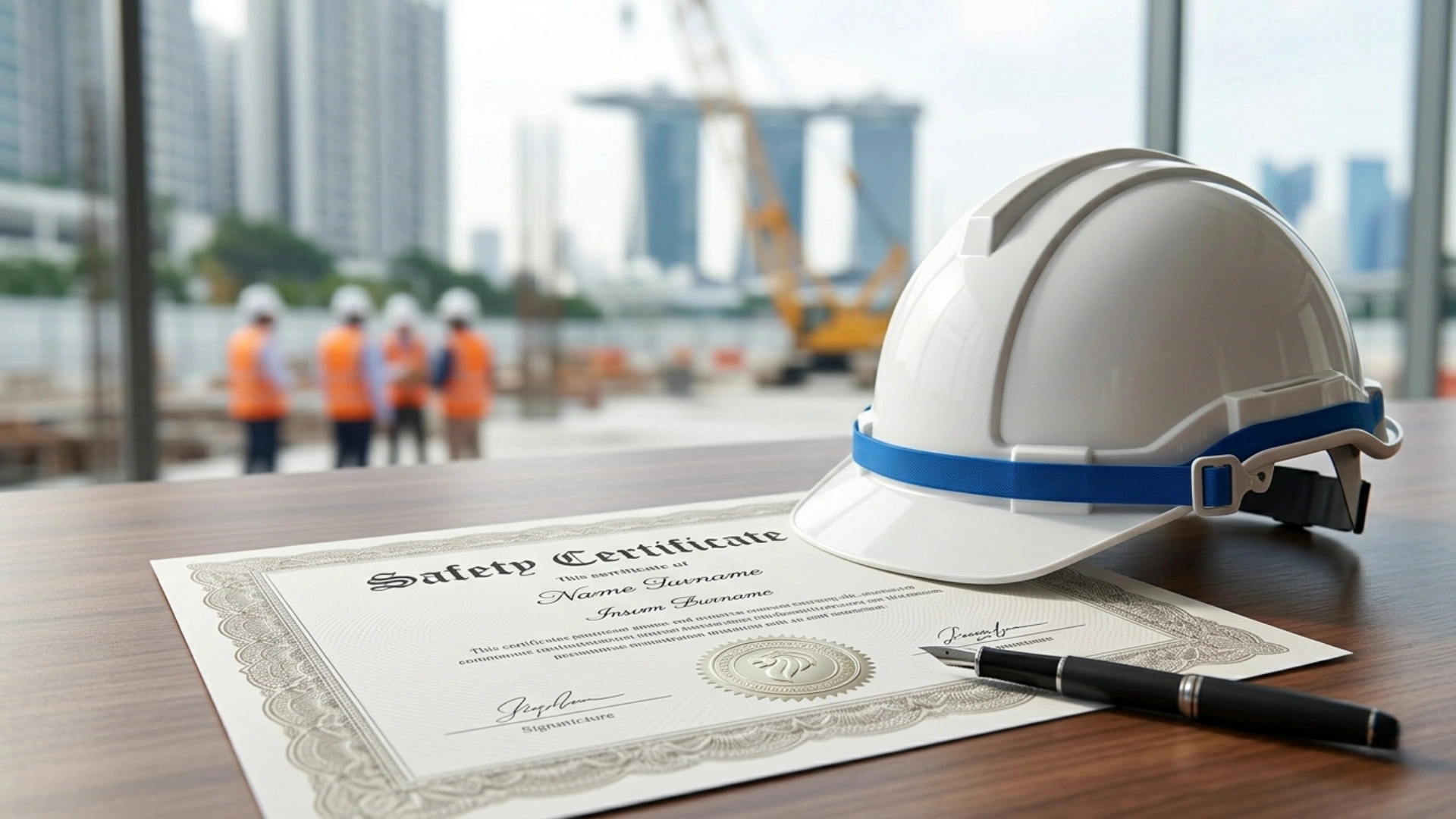
Safety certifications help construction professionals understand risks, meet workplace requirements, and contribute to safer worksites.
Safety certifications play an important role in protecting workers in Singapore’s construction industry. By building knowledge in workplace safety, certified professionals are better prepared to identify risks, follow safety requirements and contribute to safer worksites.
In a high-risk industry like construction, safety is not only about individual awareness. It also depends on whether workers, supervisors and managers have the right training for the responsibilities they carry on site.
When construction professionals understand safety regulations and best practices, they help reduce the likelihood of accidents, injuries and unsafe work behaviours.
Why Safety Certifications Matter
In Singapore, construction companies and professionals must comply with workplace safety regulations set by the Ministry of Manpower. Safety certifications help ensure that individuals are equipped with the knowledge and skills needed to meet these requirements.
These certifications can also improve career prospects. In a competitive job market, employers often value candidates who can show that they are trained, safety-conscious and committed to maintaining proper workplace standards.
Beyond employability, certified professionals can help strengthen safety culture within their organisations. By applying safe practices and leading by example, they contribute to a workplace where safety becomes part of everyday behaviour.
Safety certifications also support risk mitigation. Through training, professionals learn how to identify hazards, assess risks and take proactive steps to prevent accidents before they happen.
Many certifications also involve continuous learning. This helps construction professionals stay updated on changing safety standards, workplace practices and industry expectations.
"Safety certifications are not just documents. They represent the knowledge, responsibility and readiness needed to work safely on site."
The Complexity of Construction Work in Singapore
Singapore’s construction industry is complex and high-risk. Worksites often involve multiple teams, heavy equipment, changing site conditions and strict project timelines. Because of this, safety training cannot be treated as a one-time requirement.
Construction professionals must understand the risks connected to their roles and be prepared to respond appropriately. This is why different safety courses exist for workers, supervisors and managers.
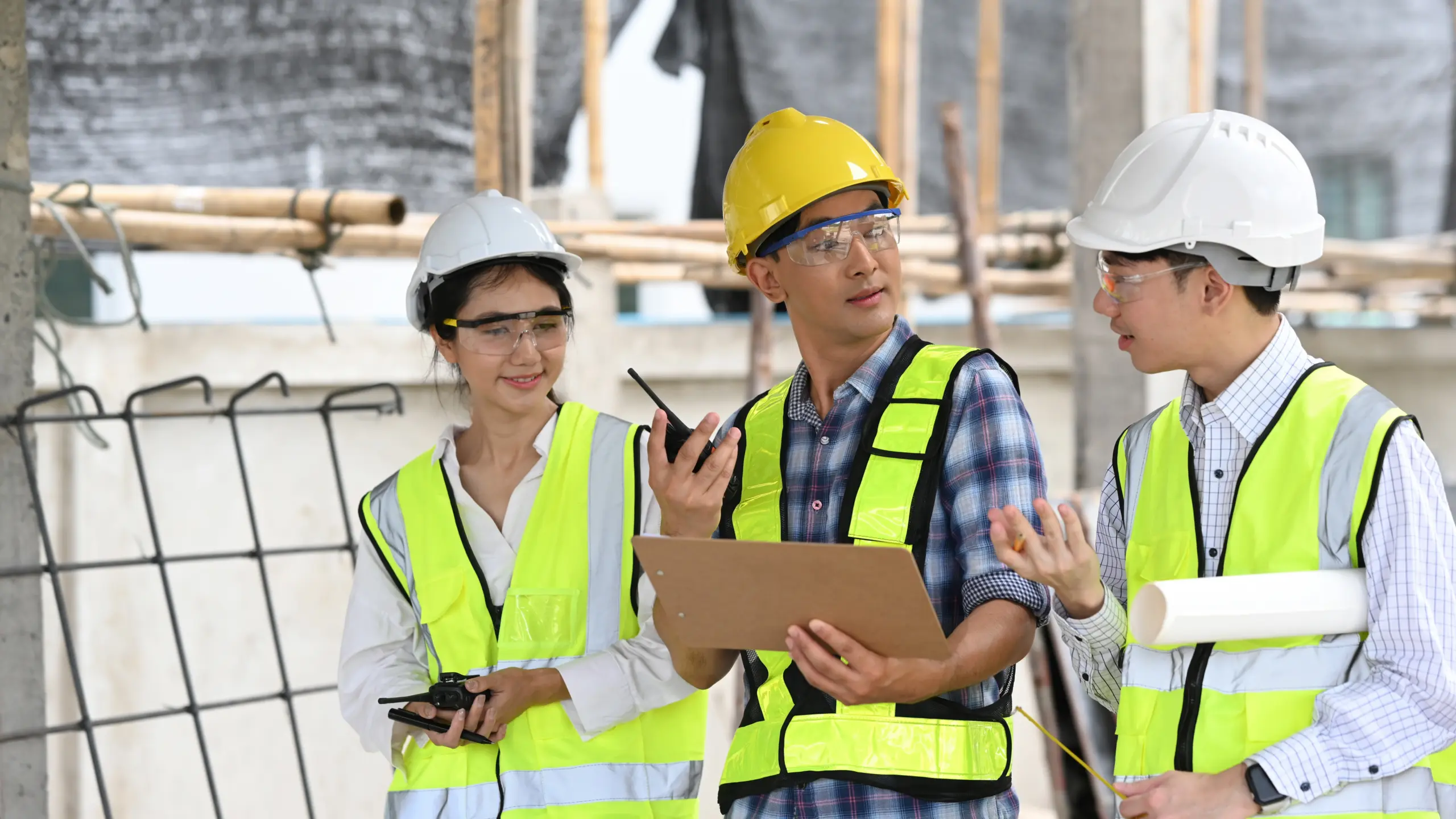
Construction safety depends on trained professionals who understand their responsibilities at every level of the worksite.
Common Safety Courses in Construction
One commonly recognised course is the Occupational First Aid Refresher Course, which helps ensure that workers are prepared to provide basic first aid during accidents or emergencies at worksites.
Another important course is Apply WSH in Construction Sites, formerly known as CSOC or Construction Safety Orientation Course. This course is designed for local and migrant workers who are new to Singapore’s construction industry.
CSOC recertification also plays an important role by requiring workers to renew and refresh their safety knowledge periodically.
Risk assessment courses, such as bizSAFE Level 2 and bizSAFE Level 4, help professionals identify hazards, assess risks and recommend suitable control measures to reduce workplace dangers.
Training for Different Levels of Responsibility
Construction safety training is often structured according to the level of responsibility an individual holds. This ensures that workers, supervisors and managers receive training that matches the decisions they need to make on site.
Worker-level courses usually focus on basic safety knowledge. These may include hazard identification, personal protective equipment, emergency procedures and the safe practices workers must follow during daily tasks.
Supervisor-level courses go deeper into safety management. They may cover risk assessment, incident investigation, site coordination and safety leadership, helping supervisors oversee safety practices more effectively.
Manager-level courses focus on strategic safety management. These courses help managers develop safety policies, implement safety programmes and allocate resources to support a strong safety culture.
"The higher the responsibility, the deeper the safety knowledge required."
Building a Safer Construction Industry
By tailoring training to different roles, organisations can ensure that employees at every level are equipped with the right safety knowledge and skills.
This helps create a safer and healthier workplace where workers understand how to protect themselves, supervisors know how to manage site risks, and managers can build systems that support long-term safety.
By completing relevant safety certifications, construction professionals demonstrate their commitment to safety and contribute to a more responsible, productive and accident-conscious industry.